

CPI cooled, jobs surged. So why is the market pricing a recession?
Because rising oil and geopolitical risk are changing the story.
It is now mid-April, and the market is still stuck in uncertainty.
US–Iran talks continue to swing between optimism and disappointment. At the same time, two of the most important data points have just been released:
- CPI came in below expectations
- Nonfarm payrolls came in far above expectations
Two signals.
Two different directions.
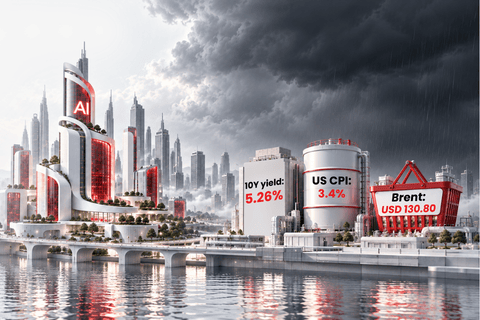
Under normal conditions, that combination would support risk assets. But with oil prices rising and geopolitical tensions escalating, markets are no longer focused on growth they are starting to price in recession risk.
So what is the market actually telling us?
In this piece, we break down:
- What the March CPI really means
- Why strong jobs data may not be bullish
- And where markets could be heading next
1. CPI Shock: Lower Than Expected, But Not Comforting
When the March CPI was released, markets reacted instantly.
At the #DooTrader Trading World Cup in Bali, rankings shifted sharply the moment the data hit.
If you went long gold at that moment, you likely captured the move.
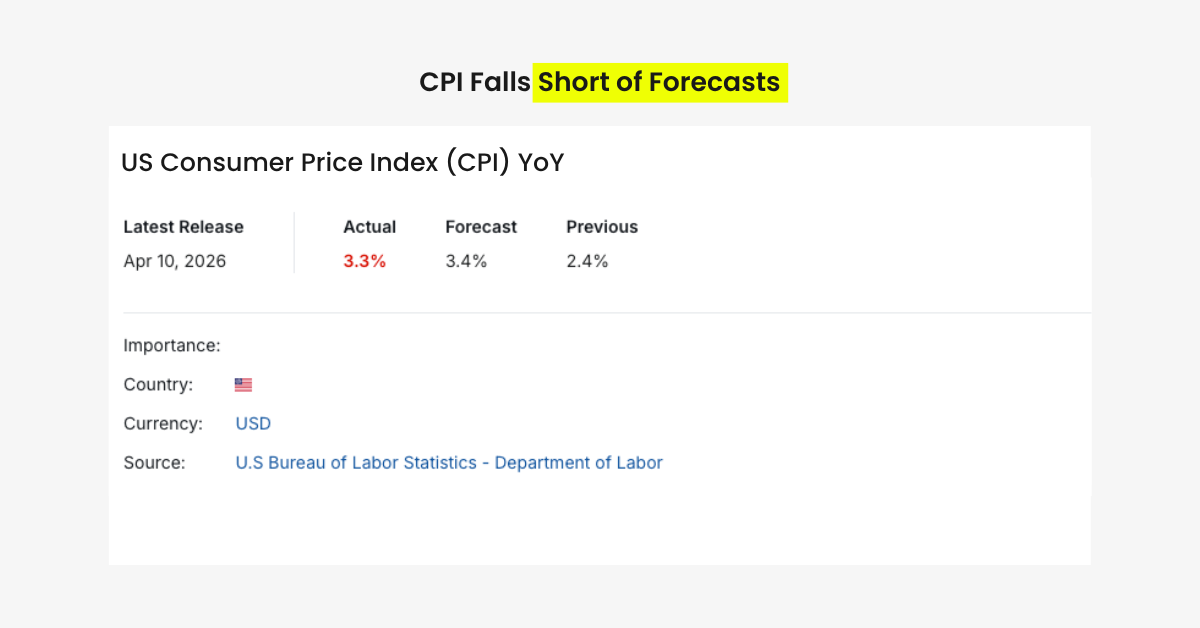
Because the US Consumer Price Index (CPI) came in below expectations.
The Headline Looks Good But Look Deeper
- Previous CPI: 2.4%
- Expected: 3.4%
- Actual: 3.3%
At first glance, this looks like a positive surprise.
And markets reacted accordingly:
- Gold surged
- Oil pulled back
But the bigger story is not the headline.
It is what’s driving it.
Energy Is Back in Control
Energy prices surged:
- +12.5% YoY
- Up 12 percentage points from February
That is a sharp acceleration.
Meanwhile:
- Food inflation eased slightly to 2.7%
- Housing remained stable at ~3%
This tells us one thing:
Energy is now the dominant driver of inflation
Why This Matters for the Fed
Without the US–Iran conflict, inflation would likely be under control.
Rate cuts would be more certain.
But now, everything depends on oil.
And oil depends on geopolitics.
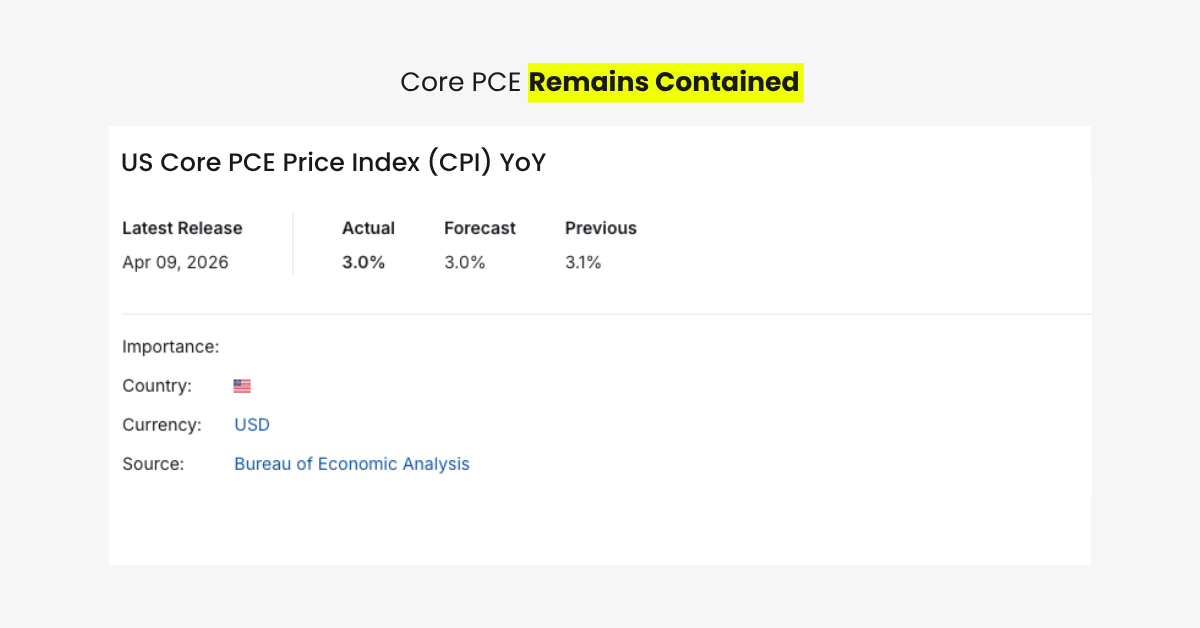
The Only Good News: Core Inflation Is Stable
Strip out food and energy:
- Core CPI: 3.0%
- Slightly below the previous 3.1%
This reduces the risk of a major inflation shock.
But it does not remove the risk entirely.
Because if oil stays high, inflation can still come back.
2. Strong Jobs But Not Bullish
Now comes the second surprise.
The labor market.
The Headline: Stronger Than Expected
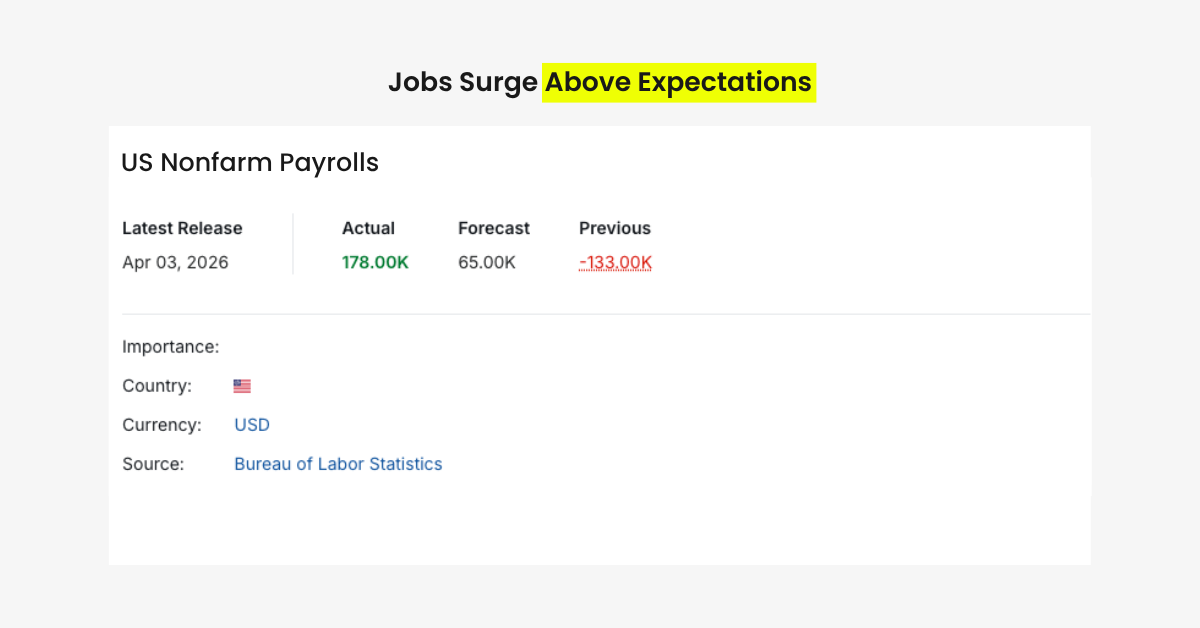
- Jobs added: 178,000
- Expected: 60,000
- Unemployment: 4.3%
On paper, this looks strong.
But markets did not celebrate.
Why?
Strong Jobs = Fewer Rate Cuts
In this environment, strong data is not always good.
Because:
- Strong jobs reduce the need for rate cuts
- Rising oil increases inflation risk
Together, they create a problem:
The Fed has less reason to ease
Some investors are even asking:
Could rate hikes come back into the conversation?
Observation on the Market: Don’t Overreact
This jobs number may not be as strong as it looks.
It was boosted by:
- strike resolutions
- seasonal hiring (spring effect)
At the same time:
- JOLTS job openings have fallen to 4.2%
- Small business optimism is weakening
This suggests the labor market is:
Stable in the short term
Softening in the long term
The Real Twist
In today’s market:
Weaker data is not bad
Because it reduces the risk of further tightening.
That is the paradox.
3. The Real Shift: From Inflation to Recession
This is where things get interesting.
The market is no longer just trading inflation.
It is starting to price recession risk.
The PMI Signal
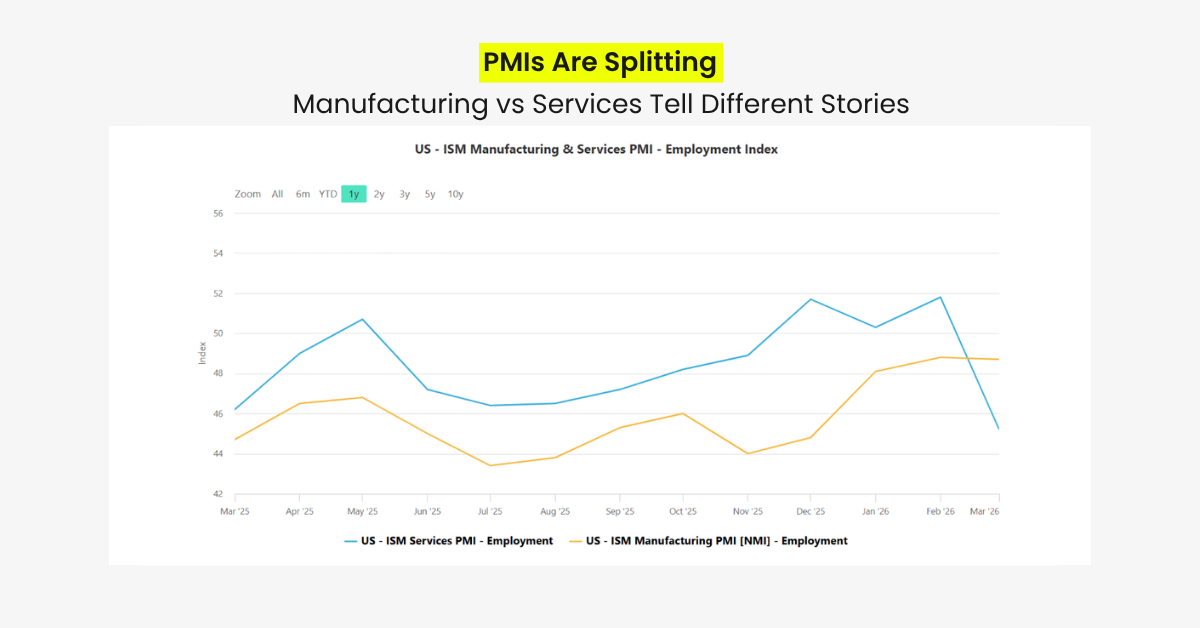
On the surface, PMI looks stable.
But underneath, the story is changing.
- Manufacturing PMI: 48.7
- Services PMI: dropped from 51.8 → 45.2
That is a sharp decline.
Why This Matters
Manufacturing may be supported by:
- inventory buildup
- war-related demand
But services tell the real story.
And right now:
Services are weakening
Fear vs Reality
The market’s concern about recession is justified.
But it may also be overreacting.
Geopolitics is amplifying fear.
4. What Comes Next: Panic, Recovery, Repeat
Based on D Prime’s observation:
Markets are entering a cycle of:
panic → recovery → panic → recovery
And this pattern may continue in the near term.
The Core Conflict Is Deeper Than Oil
At the center of the US–Iran tension is not just energy.
It is policy.
- The US wants limits on Iran’s nuclear program and regional influence
- Iran demands sovereignty and reduced US presence
These are fundamental disagreements.
And they are not easy to resolve.
But the Market Is Adapting
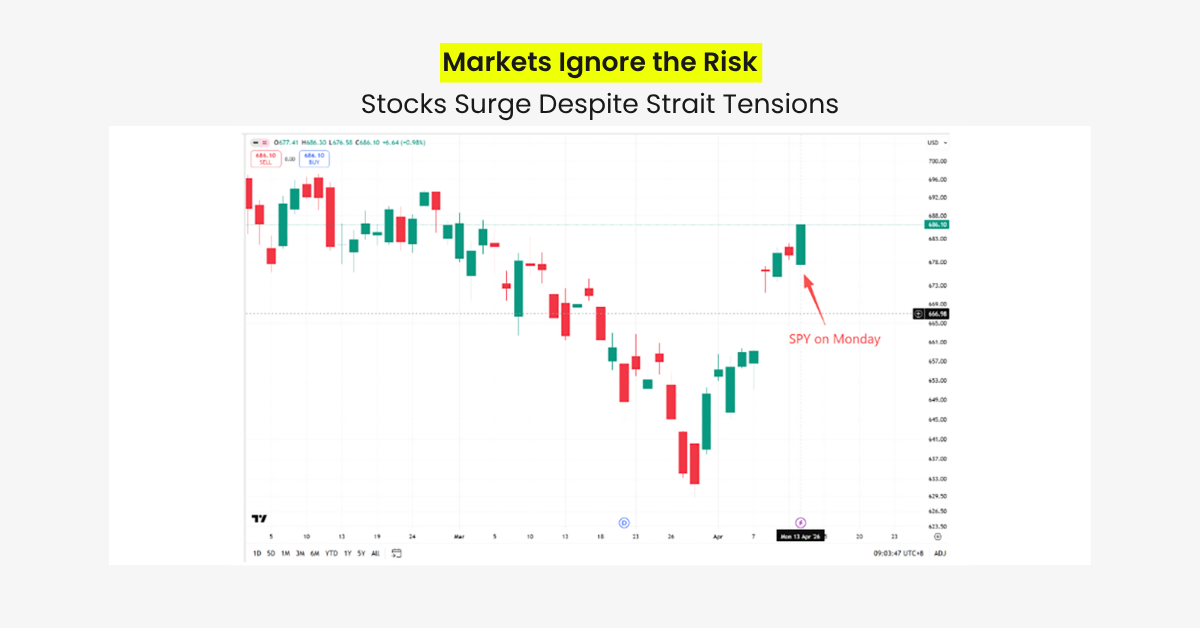
Monday’s price action revealed something important.
Over the weekend:
- Panic surged
- Crypto dropped sharply
But by market open:
- Sentiment stabilized
- Stocks and gold both closed higher
This tells us:
War risk is no longer a surprise
And That Changes Everything
After nearly two months, markets are adjusting.
- Conflict is priced in
- Inflation is expected
- Recession risk is understood
And when everything is priced in…
What This Means for Markets
It often signals a turning point.
Not certainty.
But opportunity.
A Shift in the Narrative
The market is no longer reacting.
It is adapting.
And that is a critical difference.
Because once fear becomes familiar, it loses power.
And when fear is priced in:
The bottom often forms quietly
Before the news improves
Risk Disclosure
Trading in Securities, Futures, contracts for difference (CFDs) and other financial products carries high risks due to the rapid and unpredictable fluctuation in the value and prices of these financial instruments. This unpredictability is due to the adverse and unpredictable market movements, geopolitical events, economic data releases, and other unforeseen circumstances. You may sustain substantial losses including losses exceeding your initial investment within a short period of time.
You are strongly advised to fully understand the nature and inherent risks of trading with the respective financial instrument before engaging in any transactions with us. When you engage in transactions with D Prime, you acknowledge that you are aware of and accept these risks.
Disclaimer
This article may contain speculative statements regarding future expectations, plans, or projections based on information and assumptions currently available to D Prime. Although D Prime considers these assumptions reasonable, such statements involve risks, uncertainties, and factors beyond D Prime’s control, and actual outcomes may differ significantly.
This information contained in this article is for general informational and educational purposes only and should not be considered as financial, investment, legal, tax or any other form of professional advice, recommendation, an offer, or an invitation to buy or sell any financial instruments. The content herein, including but not limited to data, analyses and market commentary, is presented based on internal records and/or publicly available information and may be subject to change or revision at anytime without notice and it does not consider any specific recipient’s investment objectives or financial situation. Past performance references are not reliable indicators of future performance. D Prime and its affiliates give no assurance that any views, projections, or forecasts will materialize.
D Prime and its affiliates make no representations or warranties about the accuracy or completeness or reliability of this information and disclaim any and all liability for any direct, indirect, incidental, consequential, or other losses or damages arising out of or in connection with the use of or reliance on any information contained in this article. The above information should not be used or considered as the basis for any trading decisions or as an invitation to engage in any transaction. Do not rely on this article to replace your independent judgment. You should conduct your own research and consult with an independent qualified financial advisor or professional before making any financial trading or investment decisions.
“D Prime” is a brand name of D Prime Vanuatu Limited, a company incorporated and regulated by the Vanuatu Financial Services Commission (Company Number: 700238). The availability of products and services may vary depending on jurisdiction and applicable regulatory requirements.