
Gold
Gold saw a sharp drop on Thursday, reaching as low as $2,731.55 before closing at $2,743.84 per ounce, down 1.52%. Recent U.S. data supported expectations that the Fed will continue cautious rate cuts. In September, PCE inflation rose 2.1% year-over-year, in line with expectations, moving closer to the Fed’s 2% target and down from August’s revised 2.3%. Core PCE inflation increased by 2.7% year-over-year, with a six-month high in monthly growth, while new jobless claims fell to a five-month low, indicating a stable labor market.
This economic data lifted U.S. Treasury yields intraday, impacting gold bulls. The 10-year yield fell to 4.199% before rebounding on the data release, though it retreated again by the close. On Tuesday, the yield had hit a four-month peak of 4.339%.
Geopolitically, U.S. Secretary of State Antony Blinken noted progress in ceasefire talks between Israel and Hezbollah, easing some safe-haven demand for gold. However, Axios reported that Israeli intelligence indicated Iran might strike Israel from Iraq, possibly before the November 5 U.S. election.
Today, investors will monitor the U.S. non-farm payroll report, October ISM manufacturing PMI, and developments in the Middle East and U.S. election.
Gold Technical Analysis:
Gold attempted to retest $2,790 on Thursday but faced resistance, dropping during the U.S. session to around $2,731. Indicators signal a bearish shift, with MACD showing a potential sell signal. A bearish engulfing pattern suggests further downside.
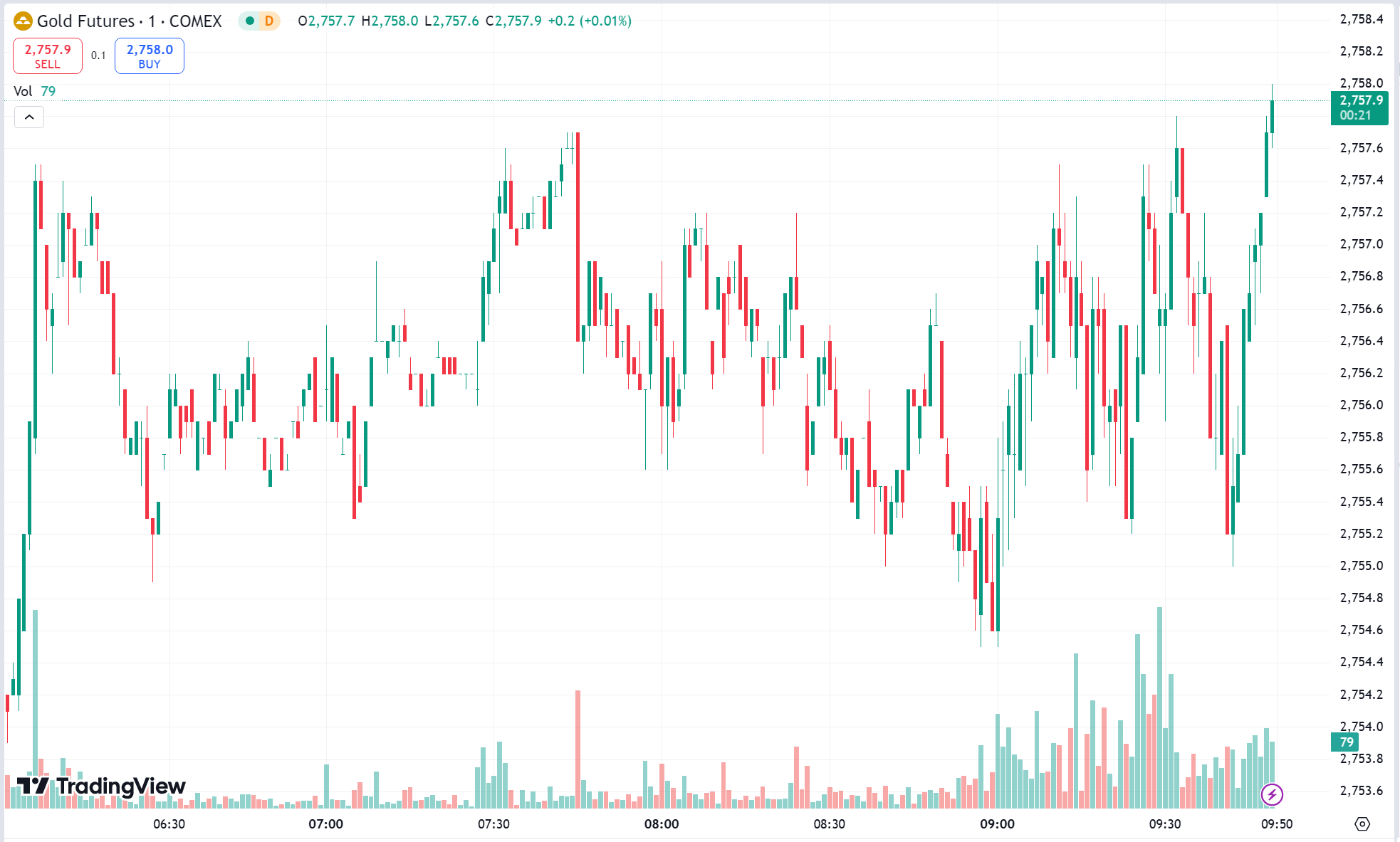
Today’s Focus:
- Resistance: $2,758-$2,763
- Support: $2,730-$2,725
Oil
On Thursday, oil prices rose as Iran’s threat against Israel heightened Middle East tensions and potential OPEC+ production delays provided further support. WTI December crude settled at $69.26 per barrel, up $0.65 or 0.95%, and Brent December crude closed at $73.16, up $1.00 or 1.38%.
Post-settlement, prices rose further following reports that Iran plans an attack on Israel from Iraq, potentially before the U.S. election. Axios reported this assault might involve drones and missiles.
OPEC+ considerations to delay production increases until after their December 1 meeting also supported prices. Rystad Energy’s Sahdev noted that international events like the U.S. election, oil demand forecasts, OPEC+ uncertainties, and Middle Eastern tensions could drive volatility in early November.
Additionally, U.S. demand bolstered oil prices as EIA data showed gasoline stocks fell to a two-year low for the week ending October 25, with crude inventories also unexpectedly declining, signaling stronger-than-expected demand.
Today, investors should watch Middle East developments, the U.S. non-farm report, weekly oil rig counts, and U.S. election updates.
Oil Technical Analysis:
Oil saw a dip before rebounding, stabilizing at $68.20 before rising to $70.70. The daily chart showed strong bullish momentum, with further gains likely despite current resistance.
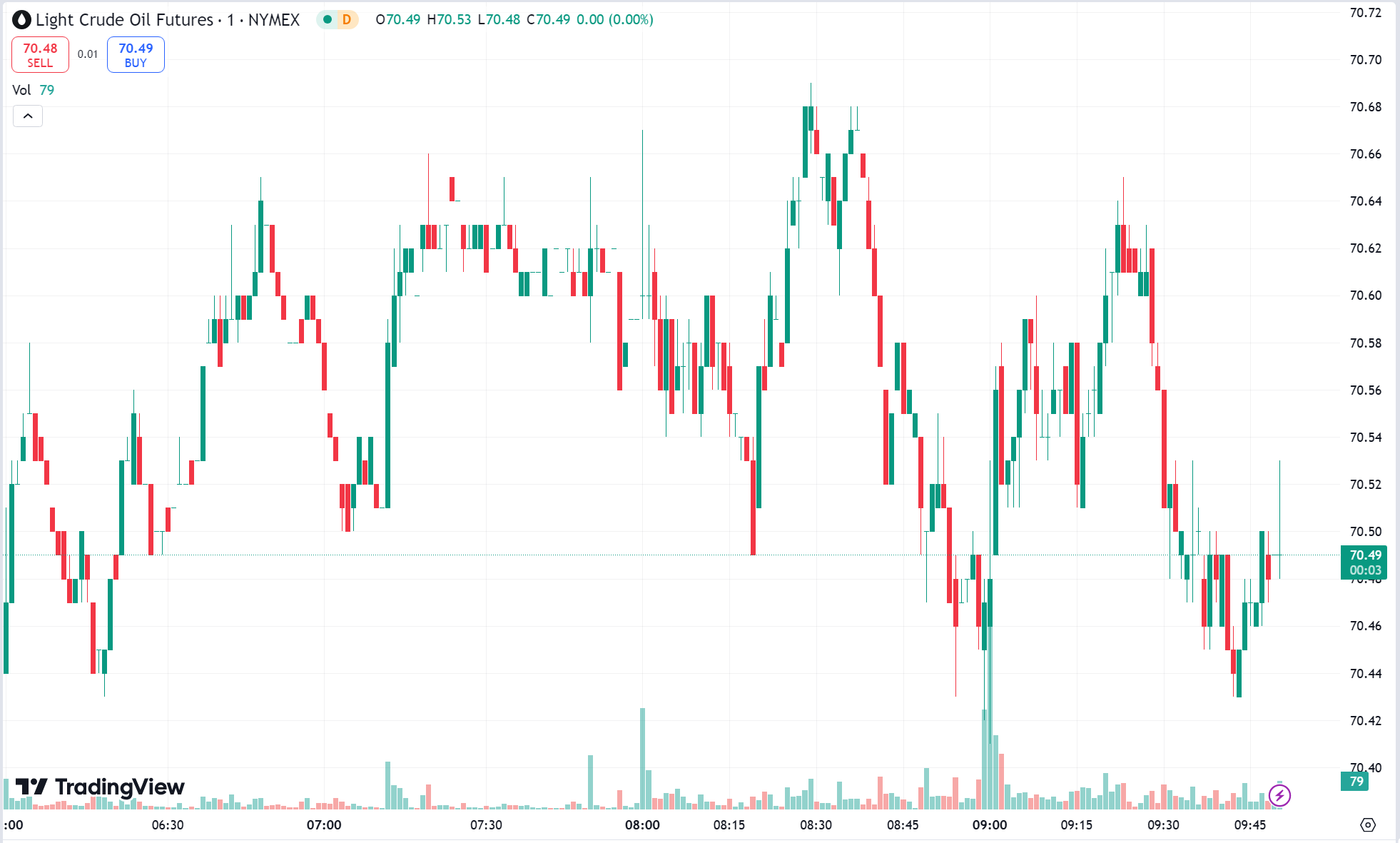
Today’s Focus:
- Resistance: $71.5-$72.0
- Support: $69.5-$69.0